Home › Common Problems › Pier & Beam Foundation Failure
Pier & Beam Foundation Failure
in San Antonio, TX
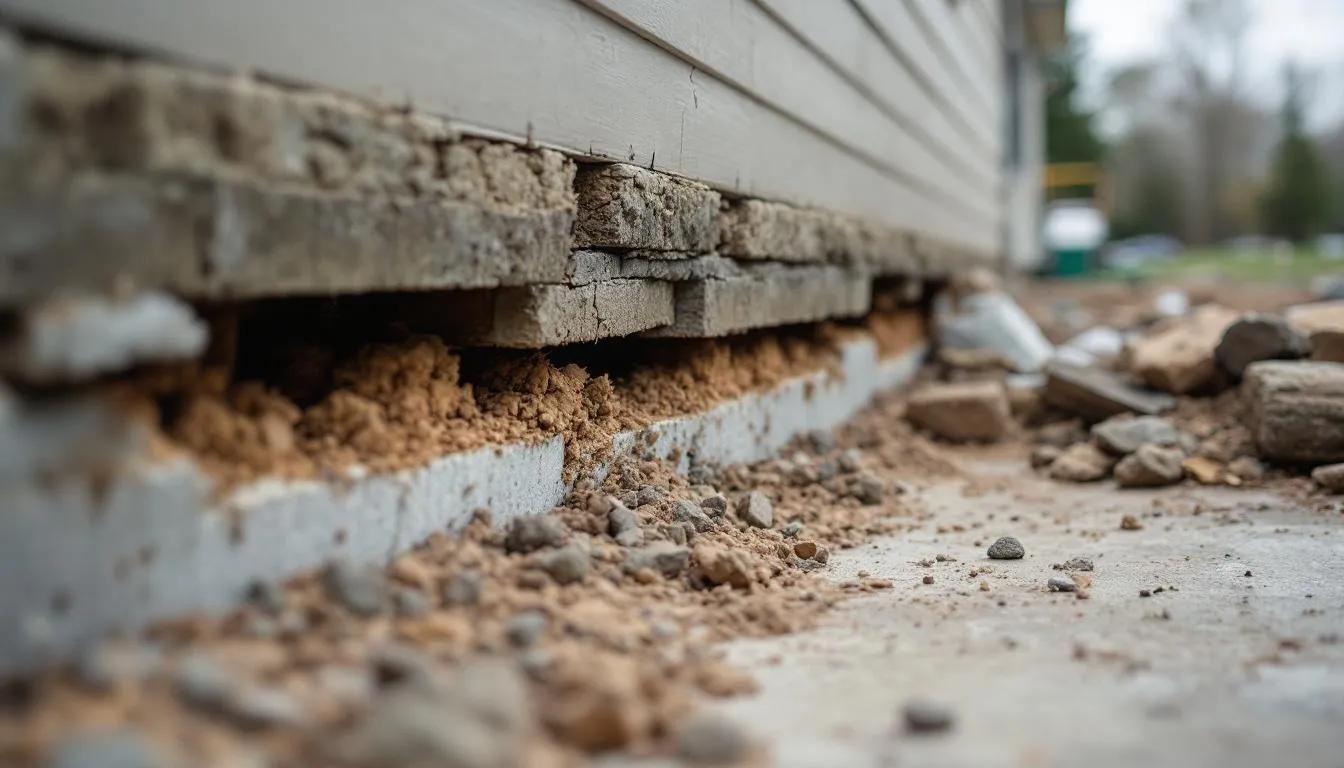
Pier-and-beam foundations are common in San Antonio neighborhoods developed before the 1960s — think King William Historic District, Beacon Hill, and Monte Vista — where homes sit elevated on a grid of concrete or wood piers with a crawl space beneath. The crawl space environment in South Texas is notoriously humid, and the alkaline clay soil heaves seasonally, placing relentless stress on wood beams and older mortar-set piers. Without intervention, beam rot or pier displacement leads to severely sagging floors and compromised structural framing.
Telltale Signs
Warning Signs to Watch For
- Noticeably bouncy, soft, or sloping wood floors throughout the home
- Visible daylight or large gaps between the floor and exterior walls at baseboard level
- Crawl space inspection reveals cracked, leaning, or completely displaced block piers
- Wood beams in the crawl space show dark staining, soft spots, or visible fungal growth
- Interior doors drag along the bottom threshold and cannot be fully opened
- Squeaking floors that have worsened progressively over the past several years
Root Causes
What Causes Pier & Beam Foundation Failure?
Wood Beam Rot & Decay
San Antonio's high humidity, especially during spring and the August monsoon-like surge, combined with poor crawl space ventilation traps moisture against wood girders and joists. Over years, fungal wood rot colonizes the beams, softening them to the point where they can no longer carry floor loads.
The Fix
Beam Replacement & Crawl Space Ventilation Upgrade
Damaged beams are sistered or fully replaced with pressure-treated lumber rated for ground-contact environments, and crawl space vents are added or enlarged to promote cross-ventilation. A vapor barrier installation on the crawl space ground further reduces the humidity driving decay.
Pier Settlement or Displacement
The expansive Bexar County clays beneath older pier-and-beam homes push and pull on concrete block or brick piers with every wet and dry cycle. Mortar joints on stacked block piers erode over decades, and individual blocks shift laterally or sink, leaving beams unsupported at key span points.
The Fix
Concrete Pier Replacement & Re-Shimming
Displaced or crumbled piers are removed and replaced with poured concrete or precast pressed-concrete piers set to correct height, then wood shims are fitted precisely to re-engage the beam. This restores even load distribution across the entire floor system.
Self-Diagnosis
Which Cause Applies to You?
Check the signs you're observing to narrow down the likely root cause before your inspection.
| What You're Seeing | Wood Beam Rot & Decay | Pier Settlement or Displacement |
|---|---|---|
| Soft, spongy feel when pressing down on floor with foot | ||
| Visible leaning or fallen block piers in crawl space | ||
| Musty odor rising through floor registers or gaps | ||
| Sloping concentrated directly above a single pier location | ||
| Dark staining and soft wood visible on beams at crawl inspection |
Free Inspection
Get a Diagnosis in San Antonio
An on-site inspection is the only way to confirm which cause applies to your property. Free, no obligation.
(210) 733-7447Free on-site inspection
Written estimate before work starts
Serving San Antonio & surrounding areas
Other Problems
Also Helpful